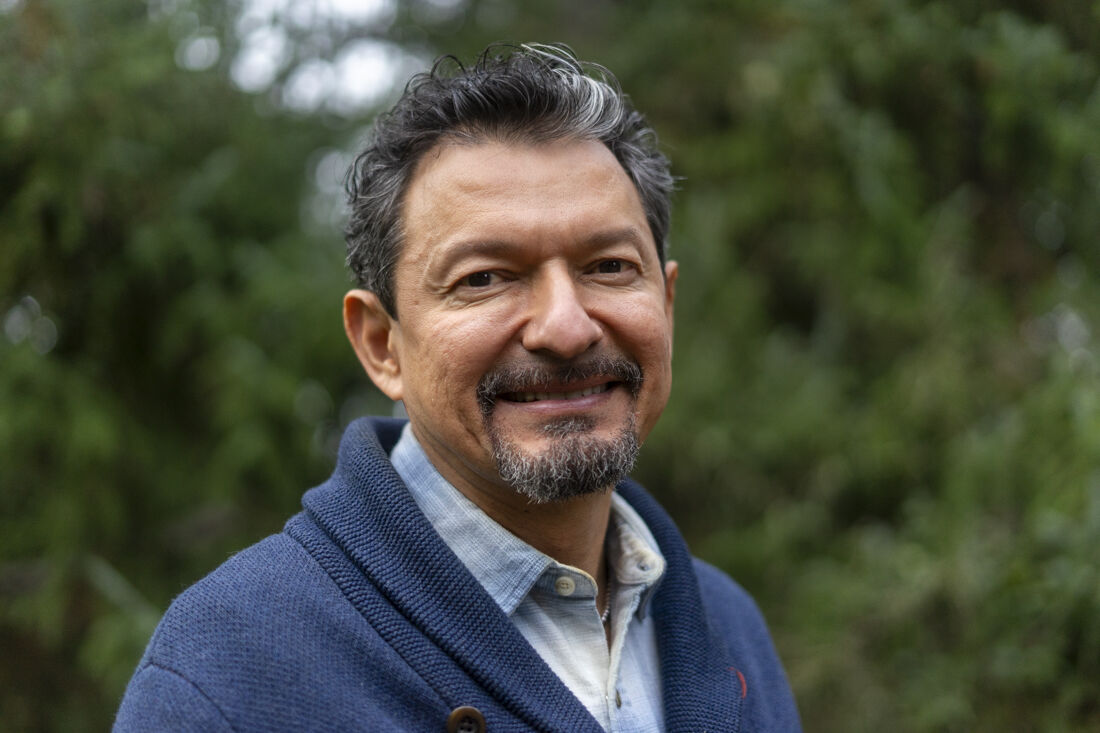
A University of Oregon associate professor has been removed from the Native American and Indigenous Studies program after a report by an external watchdog group raised questions about his Native American ancestry.
For the past two decades, Brian Klopotek, who works in the department of Indigenous, Race and Ethnic Studies, has professionally identified as a member of the Choctaw Native American tribe.
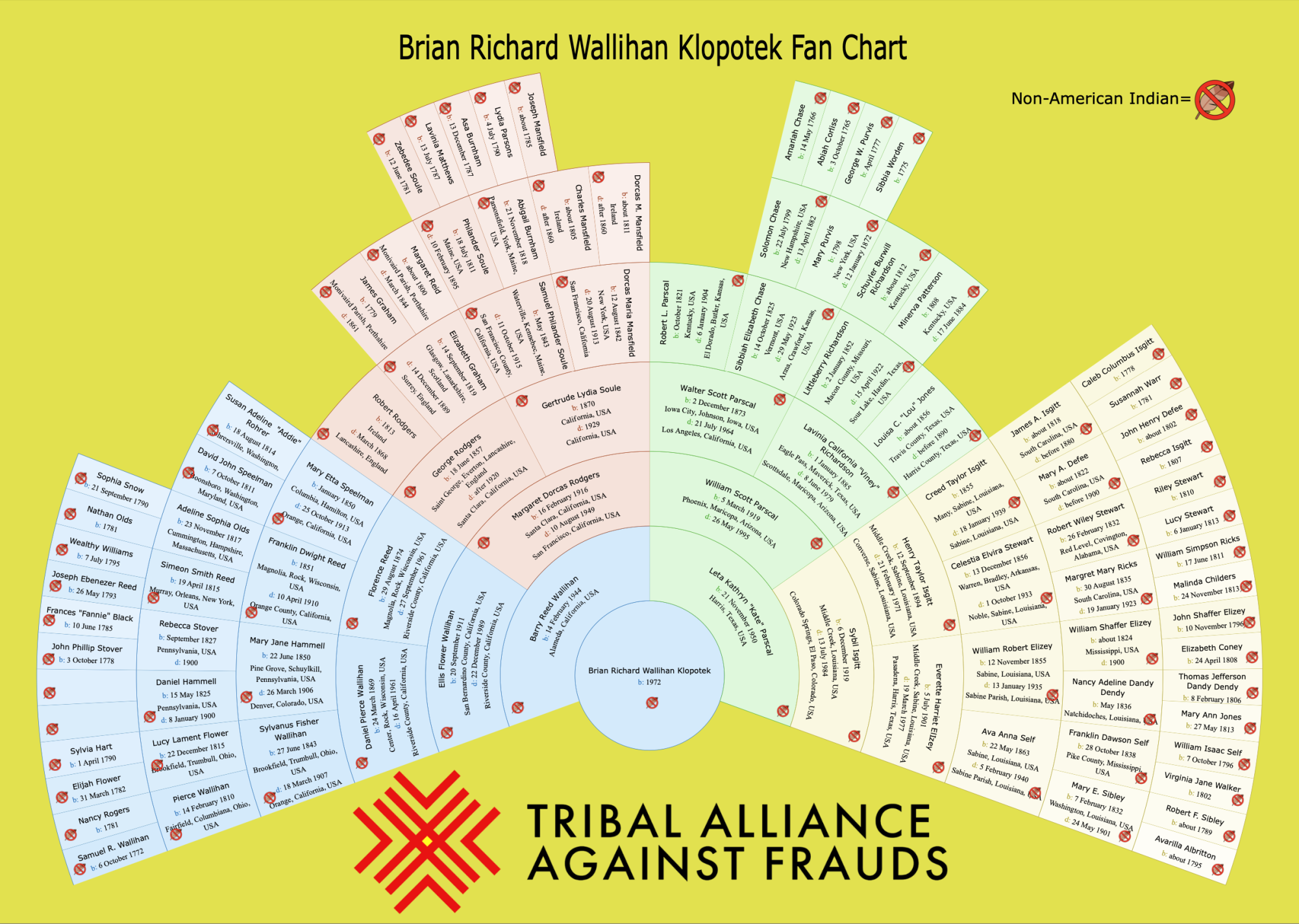
In March, a report by the Tribal Alliance Against Frauds published a report alleging Klopotek has no verifiable Native American ancestry. The allegations were based on its review of Klopotek’s genealogy. The organization is a nonprofit group committed to “exposing” individuals and organizations that “fraudulently claim to be American Indian people or Tribes,” according to its website.
When asked by The Emerald about the legitimacy of the findings from the TAAF report, Klopotek said, “I’ve been taught, and I believe, that people can articulate their Native identity with imperfect evidence, which I have, especially when they’re claimed as Native family by other Natives, which I am, and when they’re transparent about (it) which I have been.”
He said he has retained “precious evidence” of his heritage and has “elements of insider cultural knowledge.”
Klopotek said he learned early in his career as a professor that the “paper trail doesn’t always do justice to the broad story of Native survival in Louisiana,” because of the neglect of Native and Indigenous people by the federal government.
“People know who I am in Louisiana,” he said. “They know where my family’s from, what my story is and I’ve always been as straightforward as possible about saying who I am.”

He has been at the university since 2003 and his identity as a Native American has allowed him access to many achievements and opportunities nationwide.
The TAAF report alleged he received “hundreds of thousands of dollars” in resources in recognition of his Native American heritage, which the organization alleges is fraudulent. He has previously been named the “Disadvantaged Minority Fellow” to the MacArthur Interdisciplinary Program for International Peace and Cooperation, received the Native American Visiting Student Award from Smithsonian Institute, UC Berkeley President’s Postdoctoral Fellowship for women and minorities, and many other opportunities which are reserved for Native American individuals.
TAAF’s investigation into Klopotek alleged he had fully European ancestry which they discovered through their internal genealogy team, who conducted reviews of his relatives.
UO has also recognized Klopotek’s ancestry in the past, awarding him with the Proudly Recognizing Indigenous Devotion to Education Award from the university’s Center for Multicultural Academic Excellence.
Over the years, many Native Americans have raised concerns about Klopotek’s legitimacy as an Indigenous American, according to TAAF. When the issue was brought to the organization, TAAF said it conducted research by evaluating “hundreds” of Klopotek’s family lineage and past genealogy records through the help of the Mississippi Historical Society and the Oklahoma Historical Society, according to their website.
The NAIS program is “working collectively” to address the impacts of the situation and uphold the “values and commitments” of the community and its students, the university said in a statement to The Emerald.
The university declined to say whether it was investigating Klopotek further based on the TAAF’s report. They also declined to comment further on Klopotek’s departure from the program.
Klopotek said he would return to teaching in the fall. When asked whether he will still continue his work with the NAIS program, he said, “I don’t have an answer for that.”
Correction: The article previously stated that the Tribal Alliance Against Frauds said the Cherokee Scholars accused Brian Klopotek of “academic dishonesty and falsification of a material fact.” However, the Cherokee Scholars did not mention Klopotek by name in their statement. The Emerald regrets this error.