
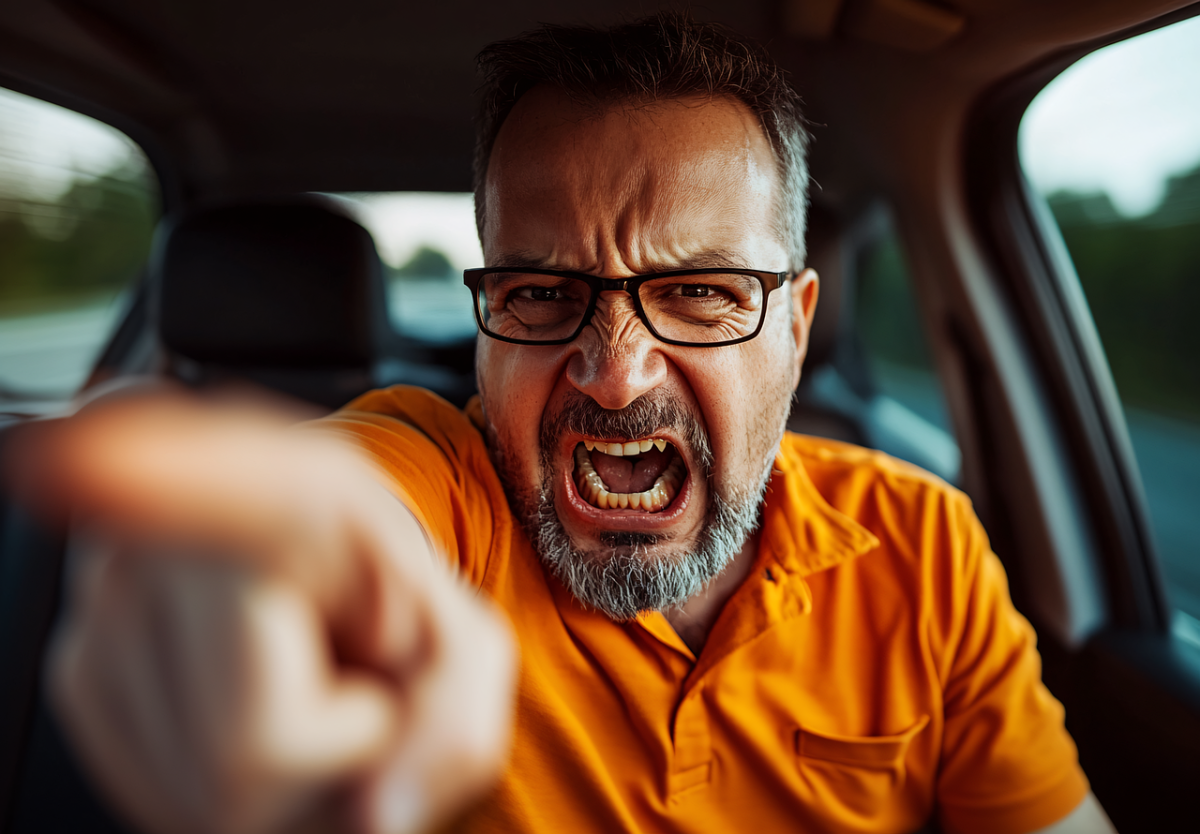
Chances are, you have seen how road rage unfolds right in front of you. Someone honks a little bit too long, another driver cuts in a little bit closer, and in just a few seconds, the situation boils out of control. The noise, the shouting, the reckless swerving. It all goes too fast for you to react. Road rage has become a real danger in terms of what may occur on a highway or city street, and the terrifying part is how likely it is to happen.
What begins as a mere annoyance with traffic can transform into something extremely tense. Knowing how to behave around people like that and to control rage behind the wheel is important and could be the difference between getting home safely and becoming part of a tragedy that could have been avoided.
Staying Calm When Tempers Rise
Many drivers believe that they can immediately identify road rage, but in most cases, it is already too late. It might be a driver following too closely, or revving their engine any time you slow down. Perhaps they flash their lights unnecessarily or try to force you out of their lane. These are red flags, and the sooner they are recognized, the better chance you have. An angry driver is dangerous. Rather than concentrating on their driving, they’re often fixated on proving a point.
If you see someone driving aggressively, get out of the way if you can. Let them pass. Only a few seconds of patience can stop an accident that changes your life. Most incidents of road rage occur when two people refuse to back down. You can’t control the other person, but you can control your safety. When another driver cuts you off or honks their horn for no apparent reason, your instincts step in. You want to react. Maybe you want to shout at them or show them a gesture of disdain to express your annoyance. Resist it. Those few seconds of annoyance can turn a minor argument into something much worse.
When an aggressive driver starts following you in their car, don’t speed up or slow down. Change lanes or make a turn if you can. Don’t make eye contact, as that is often interpreted as a challenge. Keep your windows rolled up, and your doors locked. If it starts to seem unsafe, drive towards a public place, such as a gas station, police station, or a crowded parking lot. Never pull over to confront the other driver.
For example, sometimes the other driver backs off when they see you’re driving toward police officers. When you’re calm and safe, take a deep breath. There is still plenty of adrenaline, but remind yourself that you did everything right. You managed to avoid a disaster, which means you’ve won. At the end of the day, walking away without damage is the only win.
Managing Your Emotions on the Road
It is okay to get annoyed, but it is how you react to the situation that matters. A deep breath and a pause are more effective than most people think. If you allow anger to take control, you can forget about rational judgment. That is why you need to be prepared for the trip even before you enter the car. Arrive at appointments early. Plan your route properly. Listen to something that makes you feel calm. These small decisions will reduce your stress and make you less prone to outbursts of anger.
In case you feel that you are always anxious or annoyed while driving, you should stop driving and take a break. Just stop and wait for ten minutes. It may sound weird, but it will help you to avoid a mistake that could get you in serious trouble. The safest drivers are those who are not risk takers, but people who stay cool when everything is chaotic. If you are involved in an accident, the first thing to do is ensure your safety. If possible, stay in the car and call the authorities for help. Let the police do their work if the other driver continues to act crazy.
Moving Toward Safer Roads
To sum up, keep your phone handy to record details that can serve as evidence in your insurance claim or lawsuit. Take photos of your car, the license plate of the other driver, and the damage, but only when it is safe.
If there are witnesses, ask for their names and phone numbers. It will be critical later when you report the incident. When the police arrive, state your version calmly and clearly. Mention any threats and aggressive behavior so that they are officially recorded. You may feel shaken when it is all over. This is perfectly normal. Many people underestimate the emotional consequences of road rage, but it can weigh heavily. Consulting with a counselor can help you regain your confidence behind the wheel.
An experienced Atlanta personal injury lawyer can explain the next steps in the legal proceedings and assist you in obtaining the compensation you are entitled to. Legal representation can handle the claims process with insurance companies. They can conduct an investigation into how the other driver’s anger contributed to your injuries. When you have strong legal representation on your side, you can trust that you will get a fair chance of recovering full compensation for your suffering. Just keep in mind that the earlier you involve an attorney, the greater the impact they can have on your case.