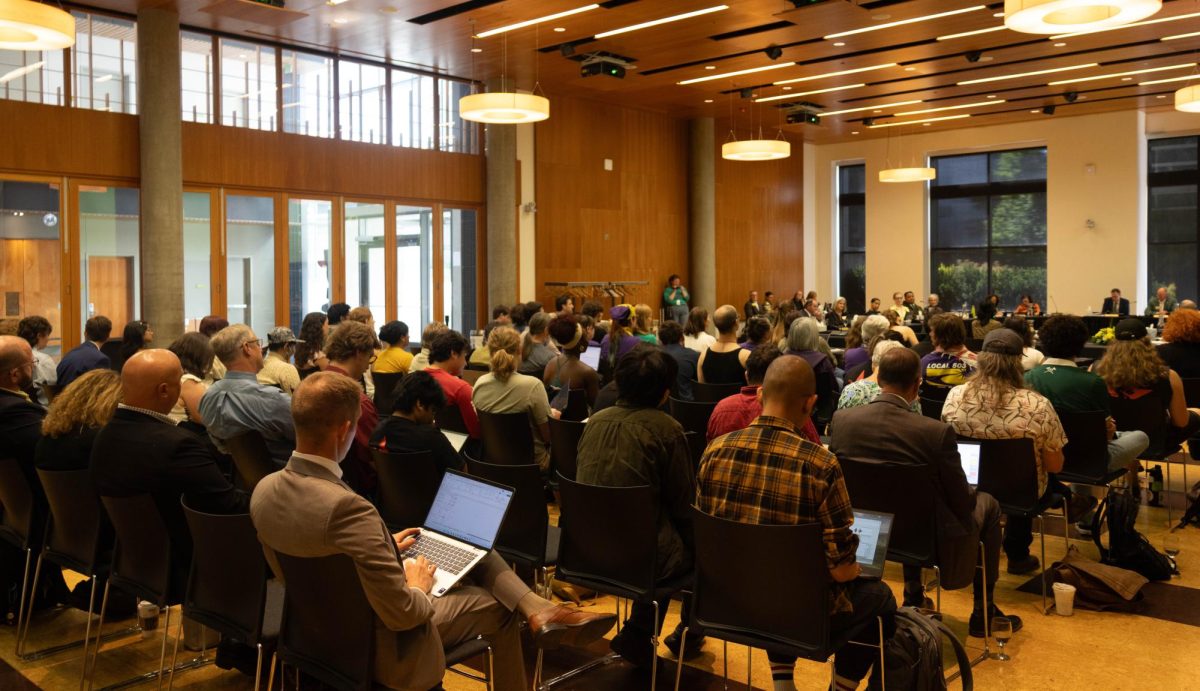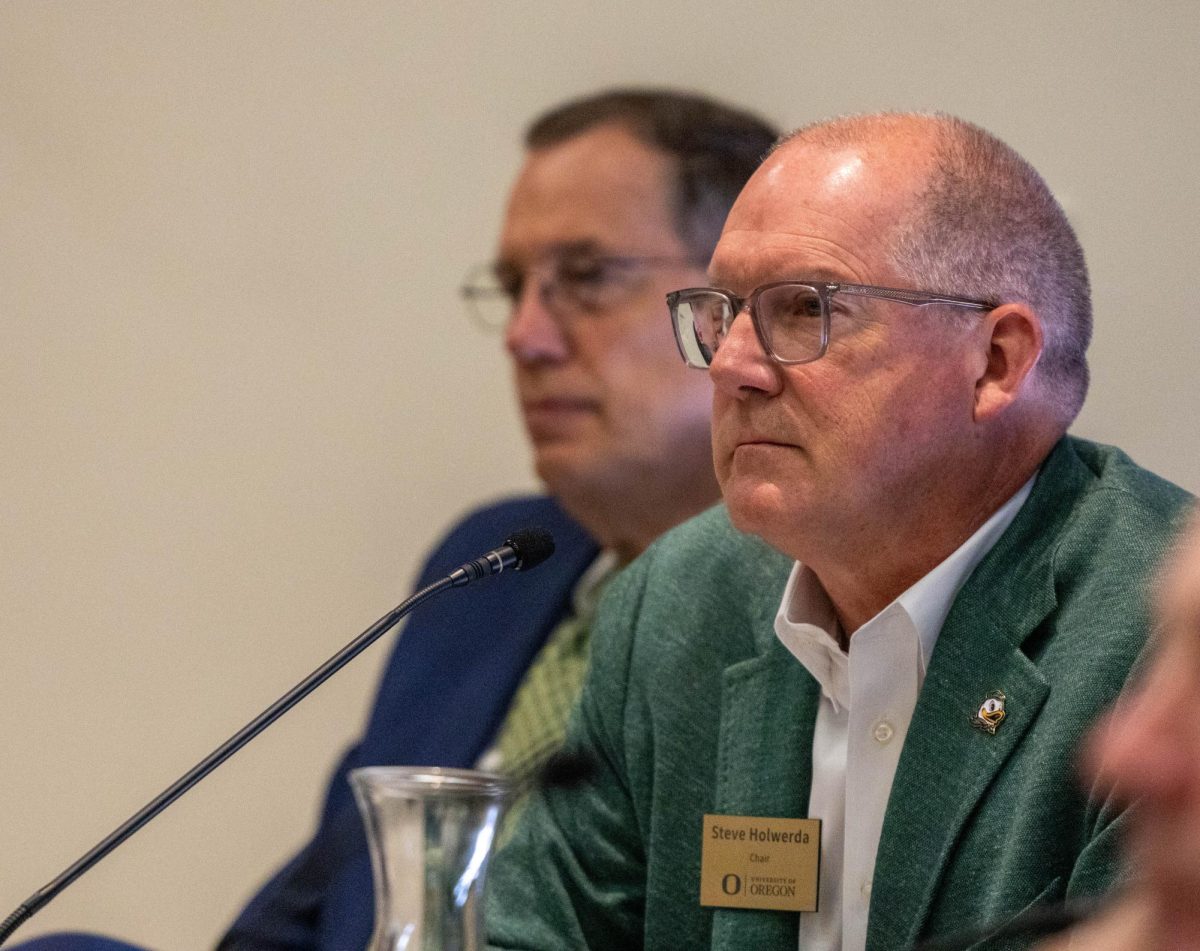
The University of Oregon and the Eugene Water and Electric Board are partnering so the university can provide emergency electricity to the city in the event of a power outage.
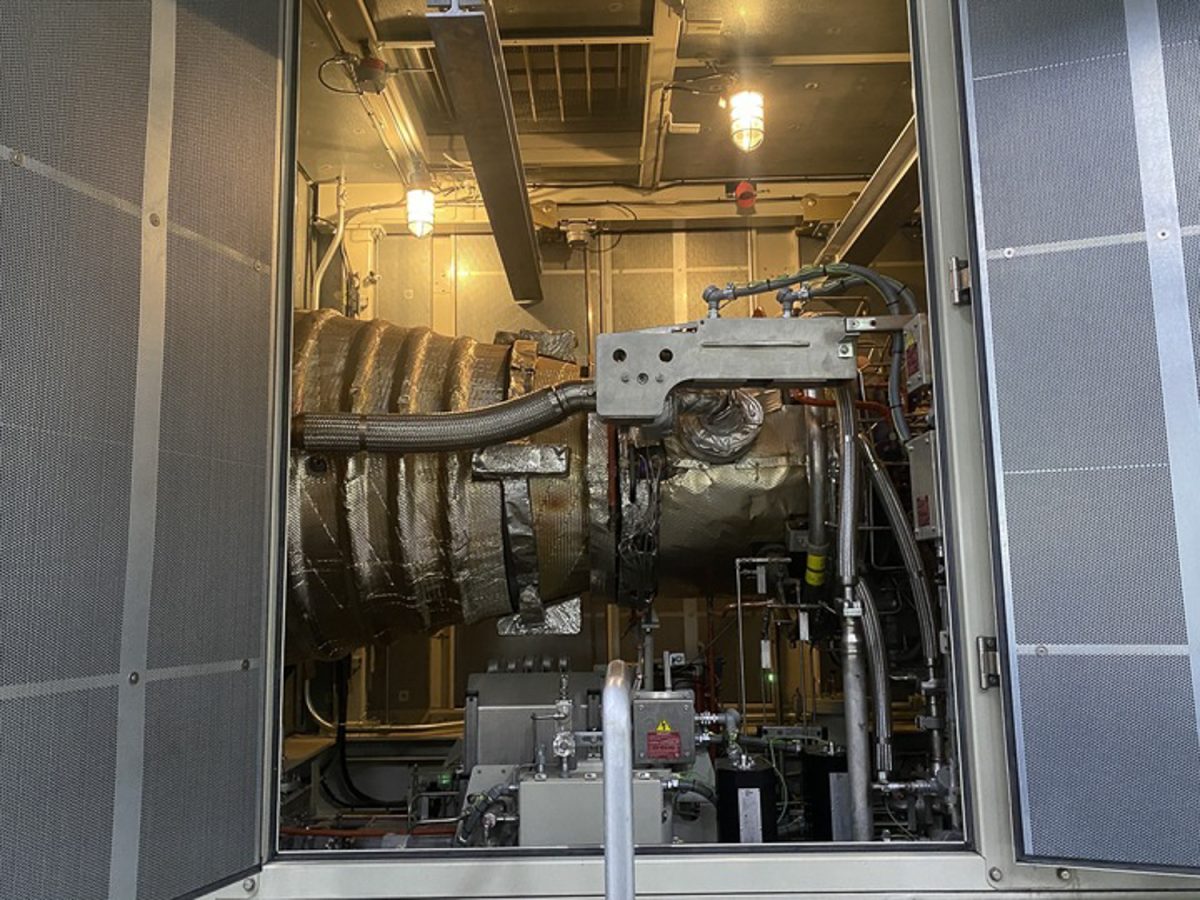
Currently, UO operates two boilers that provide heat to campus. In 2011, it implemented a
combustion turbine generator at the university’s Central Power Plant.
UO’s generator is able to keep the waste heat that is ousted and then runs it through a heat recovery generator to use in the steam system that heats the campus. It has largely gone unused, operating as a backup option for outages.
This pilot program runs from January through February and allows EWEB to use UO’s generator when demand is highest. To determine when the generator will be turned on, regional power supply conditions will be assessed.
EWEB predicts that their current grid will increasingly fall short of sustaining the energy needs of Eugene in especially cold and dry winters. To fill the gap, UO’s generator will provide energy to EWEB, which could increase emissions during these specific periods, but keeps EWEB’s sourcing
local, meaning the company will not have to purchase energy from less efficient, more polluting power plants, according to Brian Booth, EWEB’s chief energy resource officer.
Throughout the year, hydropower fills 80% of EWEB’s energy needs. When energy demands spike, like during the winter, weather-dependent sources bottom out and gas plants are used to meet demand.
“That power has got to come from somewhere. If we provide it, it’s fewer emissions, and then it gets our organizations working together and helps us prepare for big emergencies like a massive storm or Cascadia event,” Steve Mital, director of UO’s Office of Sustainability, said.
UO’s Climate Justice League is critical of the partnership, in part because they say the need for the program is based on a flawed interpretation of a study. The study from which EWEB is basing its predictions of grid failure measures the regional energy transition across the entire Pacific Northwest, and not the specific energy needs of Eugene.
“We do face challenges with our grid (but) there hasn’t been sufficient study to show whether or not this would actually give us the resiliency that they are saying it would,”
Declan Zupo, CJL’s co-president, said. The study EWEB cites was carried out by consulting firm E3 and commissioned by the Public Generating Pool and Puget Sound Energy. Renewable energy advocate GridLab did its own review of the study and concluded that E3 left out important details.
The E3 study makes predictions of energy needs that account for growing data centers, but there are not nearly as many data centers in the Eugene area as there are in other parts of the state and region. EWEB can also more comfortably rely on the hydropower it gets from the Bonneville
hydropower plant — as compared to other utility companies in the study’s region — because EWEB is a public utility company and benefits from priority access.
Still, EWEB said the 2023 ice storm caused the power grid to come “precariously close” to failure, while Springfield’s power system was already collapsing. If a collapse were to happen, Booth not only fears the effects on residents, but also on the broader future of renewable energy.
“We cannot allow something like what happened in Texas to happen in the Pacific Northwest. If that were to happen, if the lights were to go out, our failure would be hung around our necks,” Booth said.
In a broader scope, Zupo said the partnership is moving resources away from the mission of transitioning to renewable energy boilers.
“If they really wanted to do a sustainability measure, they would, for one, cancel this pilot, and two, implement thermal transition option 2B, which has immense community support,” Zupo said.
Thermal transition option 2B is a system that would see electrode boilers introduced to the current heating system. Electrode boilers use electricity that flows through water, generating steam.
CJL and other groups, including Fossil Free Eugene and ASUO, have been advocating for 2B since 2022, when the transition options were first introduced. Then, in 2024, a Thermal Systems Taskforce recommended the option to President John Karl Scholz, and in 2025 ASUO also passed a resolution with the same recommendation.
However, the furthest progress so far is development of low carbon heating system concepts, cost estimates and construction timelines.
“There is a lot of concern and understandably so, and… we are, multiple times on record, trying to navigate a path toward a fossil-free or a carbon-reduced world. We’re committed to that,” Mital said. “This is a short-term thing we can do for all the right reasons (but) it doesn’t detract from
our longer-term (sustainability) efforts.”