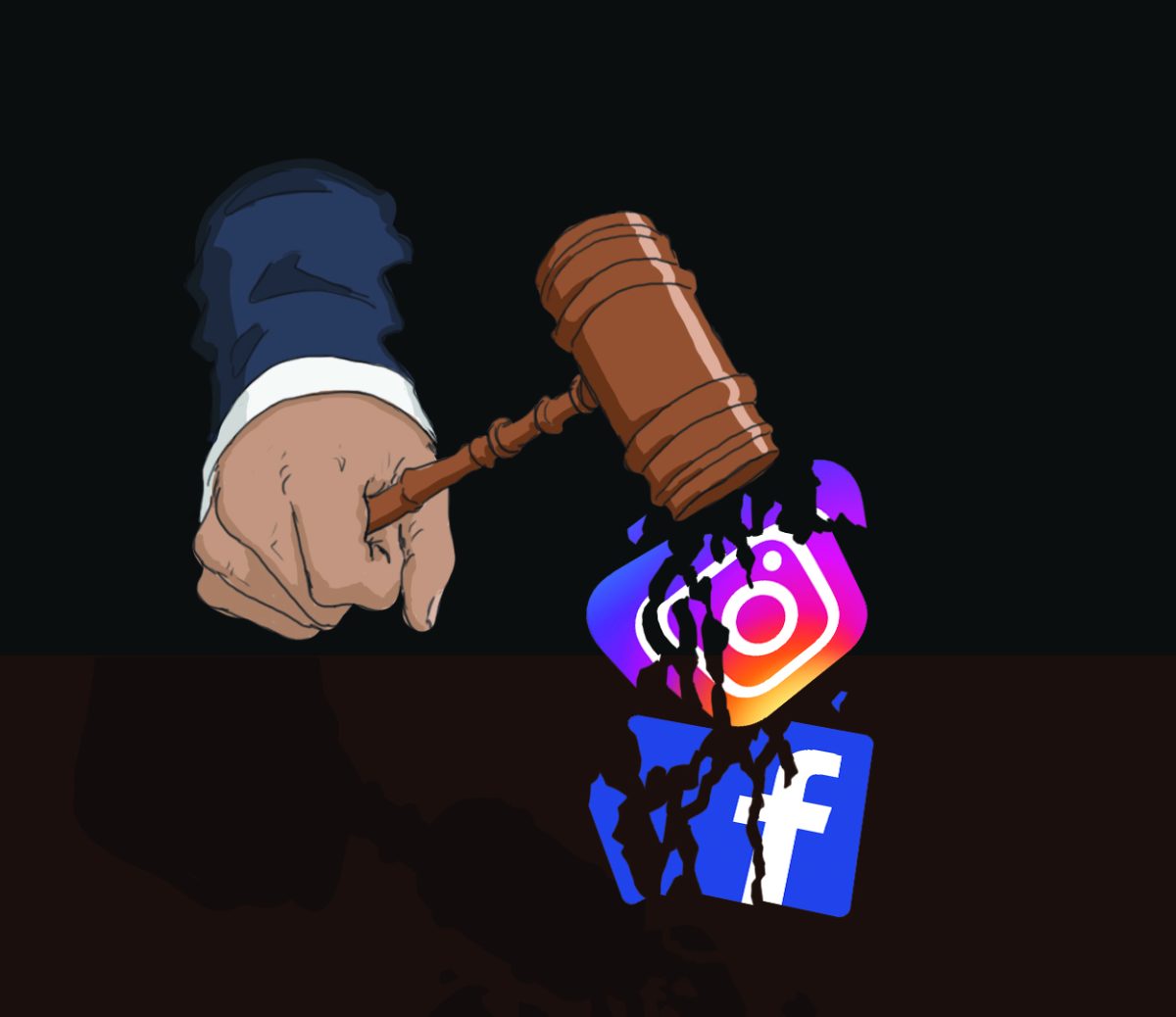
The verdict was small — after all, $6 million barely makes a dent when it comes to punishing trillion-dollar companies. But the thing about dominoes is that they don’t need to be big to set off a chain reaction. They just need you to tip over the first tile.
The topic of social media addiction has taken the spotlight again after Meta and Google lost their case against a 20-year-old woman. As a result of using their platforms from the age of six, she later developed mental health conditions, such as depression, anxiety and body dysmorphia. It’s been widely known for years that social media platforms are detrimental to developing minds, but this is the first time a company has been forced to pay damages for its addictive algorithms.
This is hardly the first time a social media company has been forced to answer for how its algorithm negatively impacts minors, either. Banning children from social media is an idea that has increasingly gained traction among the legislative community worldwide, with countries from all over the world going toe-to-toe with these companies and winning. There has already been a social media ban for minors under the age of 16 in Australia, and the European Union has added more privacy protections for minors, with more momentum growing.
Yet despite the United States Congress’ loose grip on the tech landscape, it has somehow taken an even softer approach to regulating social media companies, no doubt because of the money they spend lobbying our legislators. Now that there have been numerous failed attempts by the legislature to hold Meta and Google accountable, like the stalled Kids Online Safety Act, child safety is now being left to the courts. So now that the courts have demonstrated themselves to be an effective tool to penalize social media companies, what does that mean for the rest of us?
Not everyone is convinced that the verdict will turn into real change. University of Oregon Management Department Head Laura Lanahan remains skeptical that the verdict will lead to any industry corrective measures, given how difficult it is for new companies to enter the market and compete with the larger companies. Because “their positioning in the market is just far too large,” it becomes more difficult for the government to intervene and “put forth corrective market mechanisms,” she said.
But others see a simpler path forward. To students like Addison Sobotta, a senior studying art and technology and environmental studies, the fixes are straightforward — companies just aren’t doing them. Remove the endless scrolling, limit notifications and “if there is intentional addictive engineering going on, (social media companies) should be held accountable,” Sobotta noted.
What’s important to remember is that the story isn’t over yet. In fact, both Meta and Google intend to appeal the judge’s decision.
Our judicial system still has the opportunity to overturn the ruling, making it all the more urgent to keep up the pressure. We must ensure that another generation of kids doesn’t get sucked into exploitative algorithms that exist only to make trillion-dollar companies richer.