Housing-affordability organizations in Eugene are urging city officials to including the Tenant Opportunity to Purchase Act in phase three of the city’s renters protection’s process.
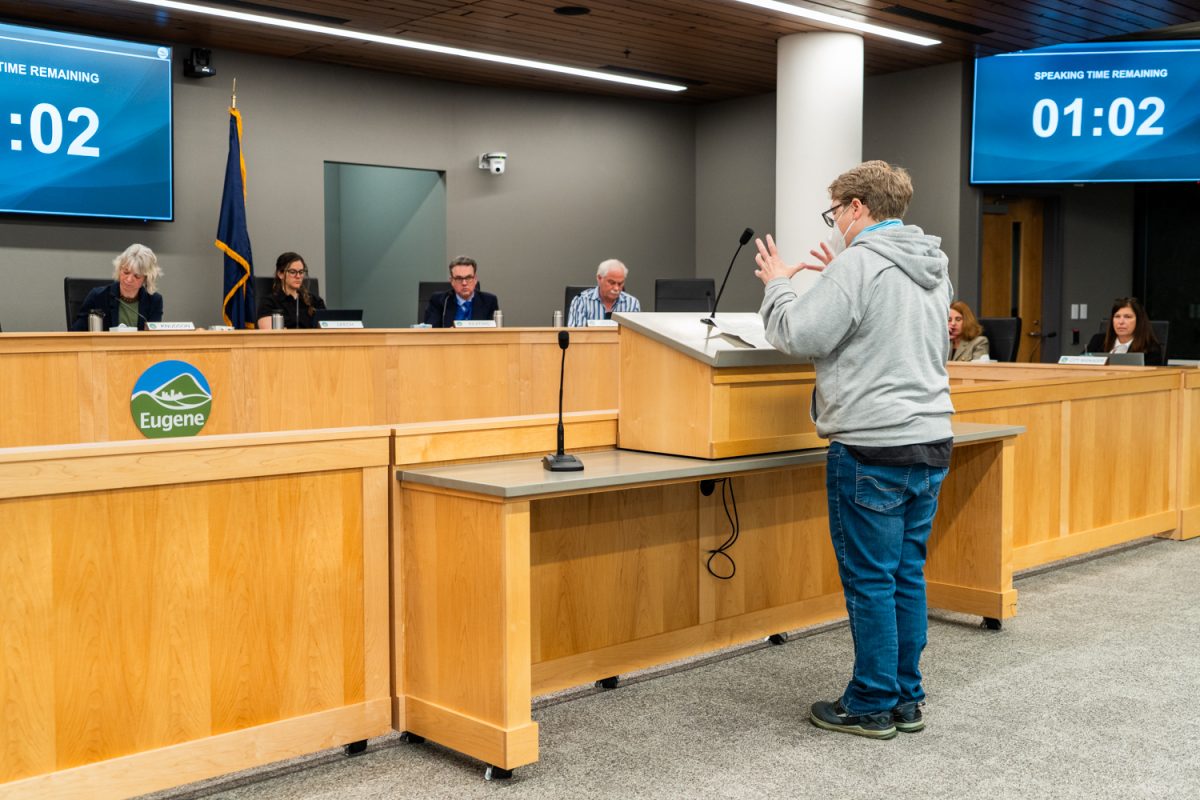
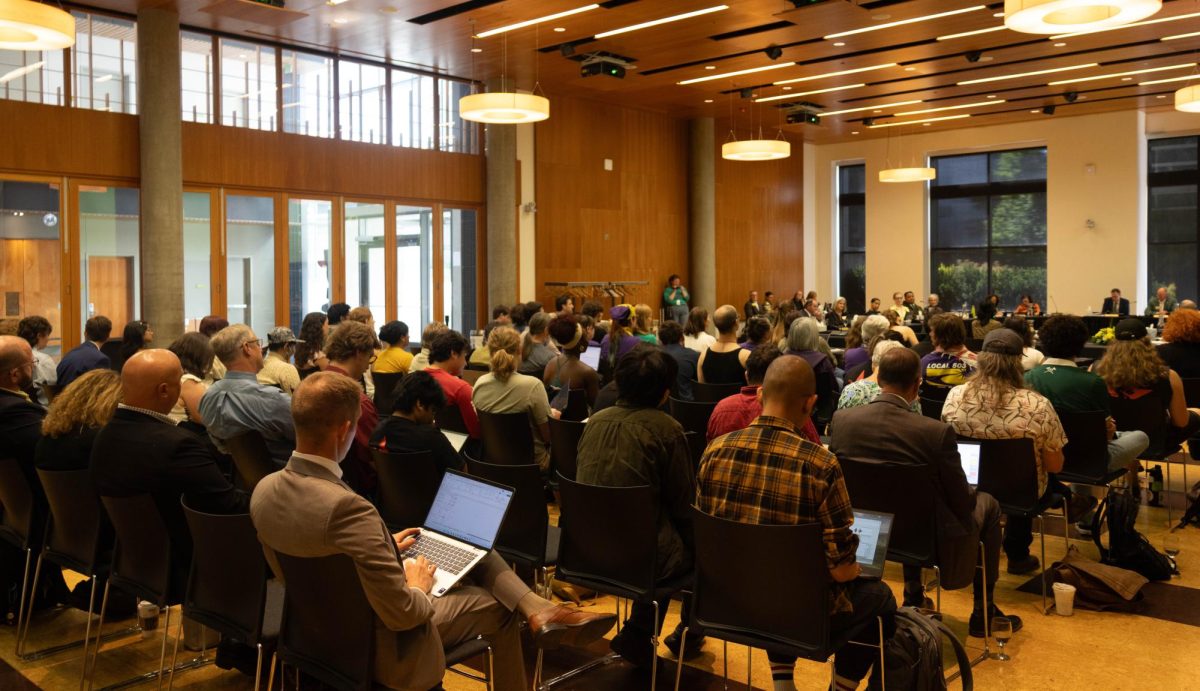
Advocacy groups, including the Springfield-Eugene Tenant Association, SquareOne Villages and the Democratic Party of Lane County, advocated for TOPA during an October city council meeting to ensure renters are more aware when landlords are going to sell a building and give renters the first opportunity to purchase.
TOPA requires property owners to notify residents if they are planning to sell their building, and give the residents a time limit to decide whether or not they will form a tenant association to find an avenue to purchase the building.
“The residents then have a choice of either coming together to identify a property management company, or even potentially run it themselves as their own co-op and purchase the entire building, or to work with local nonprofit organizations,” Timothy Morris, executive director of SETA, said.
For housing-affordability advocates like SETA and SquareOne Villages, the goal of TOPA is to give residents the opportunity to stay in their housing, keep prices stabilized and avoid out-of-state corporations pushing them out.
The city of Eugene’s renters protections process first came into effect in August 2022 with phase one, which saw rental protections like mandated move-in/move-out documentation by the landlord and the $10 maximum screening charge for rental applicants. Phase two went into effect in August 2023 and placed limits on security deposit maximums, requiring landlords to consider applications on a first-come first-served basis.
According to the city’s original roadmap for the process, city officials during phase three will consider addressing issues like monthly gross income screenings, no-cause evictions and application requirements.
“Stability and affordability comes from community ownership, and our mission is to create those democratic communities that are permanently affordable and environmentally sustainable,” Chazandra Kern, a project manager for SquareOne Villages, said. “With TOPA, we see it as one of those tools that opens up the prospects for renters to not only maintain that stability, but to become co-owners in the housing communities.”
In Eugene, housing affordability and stability has been one of the top issues on residents’ minds, according to Celine Swenson-Harris, chair of the Democratic Party of Lane County.
“When I am out knocking on doors, when I talk to volunteers who go out knocking on doors and come back and talk to me about the conversations they had, we see housing and affordability show up again and again. No matter where you are in this community, and across so many different age and income demographics, housing and homelessness is one of the topics that we hear pretty much every time,” Swenson-Harris said.
The National Low Income Housing Coalition found that in Oregon, affordable rent for minimum wage-workers caps at $783 a month, but an average one-bedroom’s fair market rent is $1,435 a month. According to Eugene housing stats from January, 51% of the city’s population are renters, and 61% of them experience cost-burdens.
Advocates are hoping that the city council will consider TOPA for phase three of the renters protection process.