
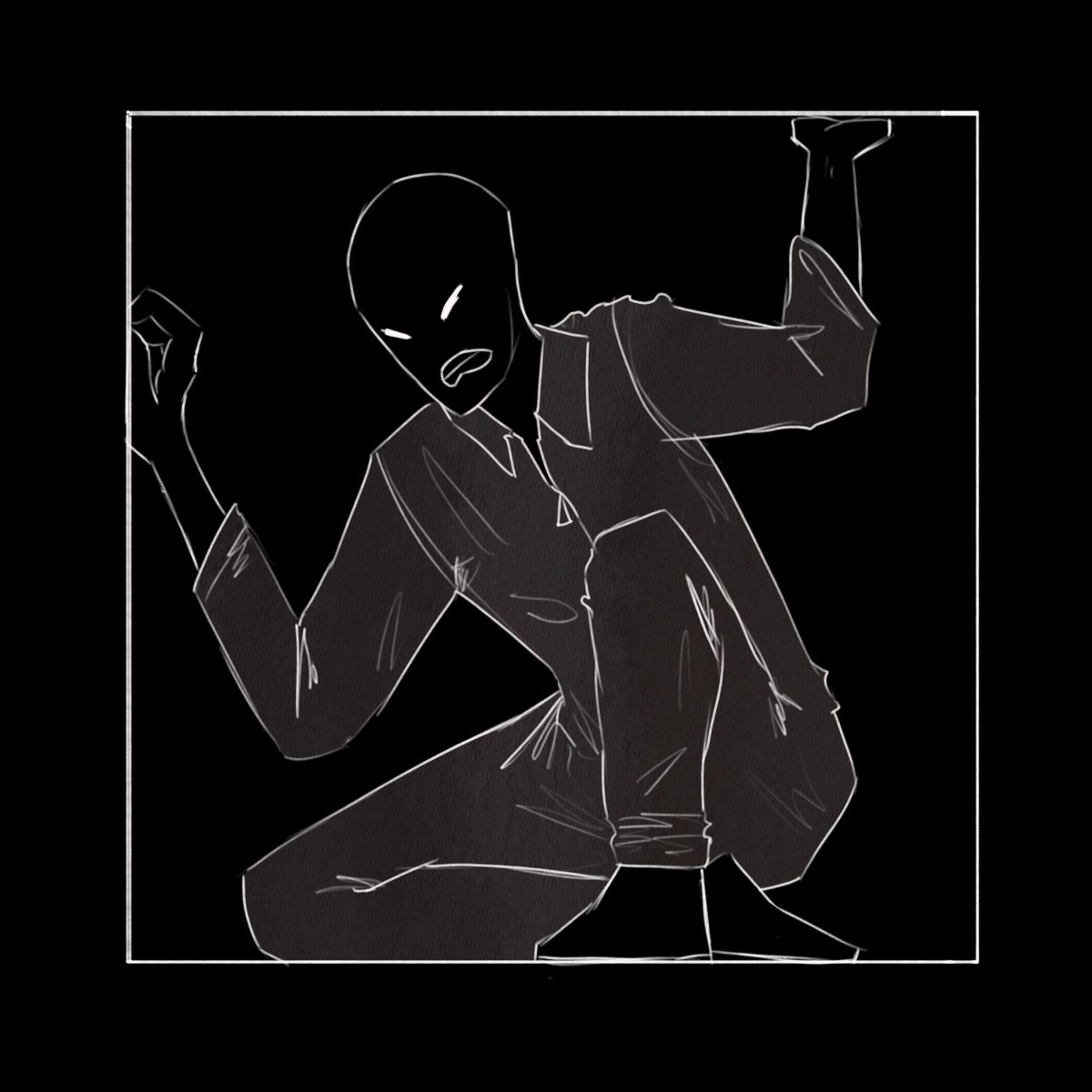
Floro’s story through the system is not unprecedented — those who have documented and un-documented mental health struggles are prone to solitary confinement due to disciplinary infractions. Floro was deemed Mental Health-3 due to his schizophrenia, which was considered for individuals with serious mental health conditions, and was sent to the Behavioral Health Unit.
Disability Rights Oregon published an investigative report looking into the solitary confinement of individuals with mental illness in the Oregon State Penitentiary’s Behavioral Health Unit. They recorded that most BHU prisoners were let out of their cells for one hour a day, and the average cell was six feet wide and 10 feet deep. Interviews confirmed that BHU prisoners were unable to receive timely mental health services and that the BHU was ruled by a culture where the correctional facility would “override or ignore the advice of the mental health professionals.”
“They would throw them into a new cell and then just repeat the process (of solitary confinement),” Floro said. “It was sick how they treated mental health.”
The original intent of the BHU was to create a humane and safe environment to house prisoners who had the most extreme forms of self-harm, suicide attempts and staff assaults. But the BHU had a long history of using extreme isolation and sensory deprivation, often worsening suicide attempts and threats.
“When I went into prison with my solitary confinement time, I knew my disability with schizophrenia (had worsened),” Floro said. “All they did was worsen my anxiety and worsen my disability with schizophrenia.”
Dave Boyer, an attorney with DRO, and Melissa Roy-Hart, the communications director of DRO, elaborated on the current uses of solitary confinement and its intersection with mental illness in an interview. DRO has been a part of the protection and advocacy system and continues to serve as an ongoing presence within prisons and jails to ensure the rights of disabled people.
“Mental health treatment (in prisons) tends to be mental health treatment targeted toward compliance with prison rules,” Boyer said. “So they’re not treating your mood or your anxiety. It’s not true mental healthcare; it’s really behavioral control treatment.”
Since mental health is a leading cause of disciplinary infractions, those in the BHU are often treated with solitary confinement, because the individual couldn’t conform to the prison’s behavioral standards.
“We’re continuing to do the same thing that’s always been done, treating people like criminals and like animals and locking them up, and if they do something against the rules, then putting them in solitary confinement,” Boyer said. “There’s no rehabilitation point on; it’s all punitive.”
DRO continues to monitor conditions within BHUs, although the last official report was released in 2021. They remain active in holding the Oregon prison system accountable for documented abuses.
“I would like the main reforms to (solitary confinement) to be more socialization, giving them more opportunities to socialize with counselors and people outside of the institutions,” Floro said, when asked about potential reforms to the current solitary confinement system.
The Mandela rules called for meaningful human contact within prisons, including interaction without physical barriers, empathetic dialogue about personal lives and genuine and sustained conversations.
Floro ends with, “You have people doing long-term BHU for 10, 15 years, and anybody doing so long in a steel box, with such limited communication with the world, their mind is going to go on an institutionalized cycle… nobody should do longer than a 30-day stance.”






Dave Boyer • Feb 2, 2026 at 8:38 pm
Great article, thanks!