On Sept. 28, the streets of Portland were filled with an array of people. Signs used by protesters had a variety of phrases, ranging from “abolish ICE” to “democracy dies in silence,” to “food carts not fascists.”
This was a direct response to the authorization to deploy the National Guard to the streets of Portland, and has authorized “full force” on the streets of “war-ravaged Portland.” Downtown Portland is a 15-minute drive from my house; the only thing this city is ravaged by is overpriced coffee shops and bad drivers.
Grace Mueller, a junior at the University of Oregon, shared her disapproval of this decision in her home town. She mentioned generally positive changes after Mayor [first name] Wilson came into office, like a reduction of homelessness and public use of drugs, which is why the deployment of troops was even more surprising.
“I think there has been a very big turnaround in the past few years, and I think it’s just another [example of] Portland being a national scapegoat because it’s a more liberal leaning city,” Mueller said.
Sending the National Guard to Portland to contain largely peaceful protests is political theater and shows an inability to reason with Oregon’s leadership. Using the National Guard as pawns in a larger political message is distasteful and unlawful.
“President Trump, do not send military troops to Oregon,” Sandy Chung, the executive director of the ACLU (Act, Challenge, Love, Unite), said in a speech at the protest on Sept. 28. “If you do, you are abusing your power, you are disrespecting and misusing our service members and you are wasting our tax monies for nonsense. What you are doing is un-American and undemocratic.”
Additionally, what was happening was also considered unconstitutional –– there have been multiple challenges in this case under the 10th amendment, which reaffirms the separation of powers between states and the federal government.
State issues are better handled through state leaders. They have been elected by their community and assessed to be best fit to serve these needs, from education curriculum to the use of law enforcement.
A coalition of mayors has also joined Mayor Wilson in publicly opposing the deployment of the National Guard on the streets of Portland, citing that troops undermine the intentions of local leaders and that the presence of armed troops will escalate tensions.
“There is no emergency, no insurrection and no disaster taking place in Portland,” Eugene Mayor Kaarin Knudson said in a public statement. “In Eugene and in cities across Oregon, we remain committed to serving our communities, upholding the Constitution and defending our laws, and we will stick together.”
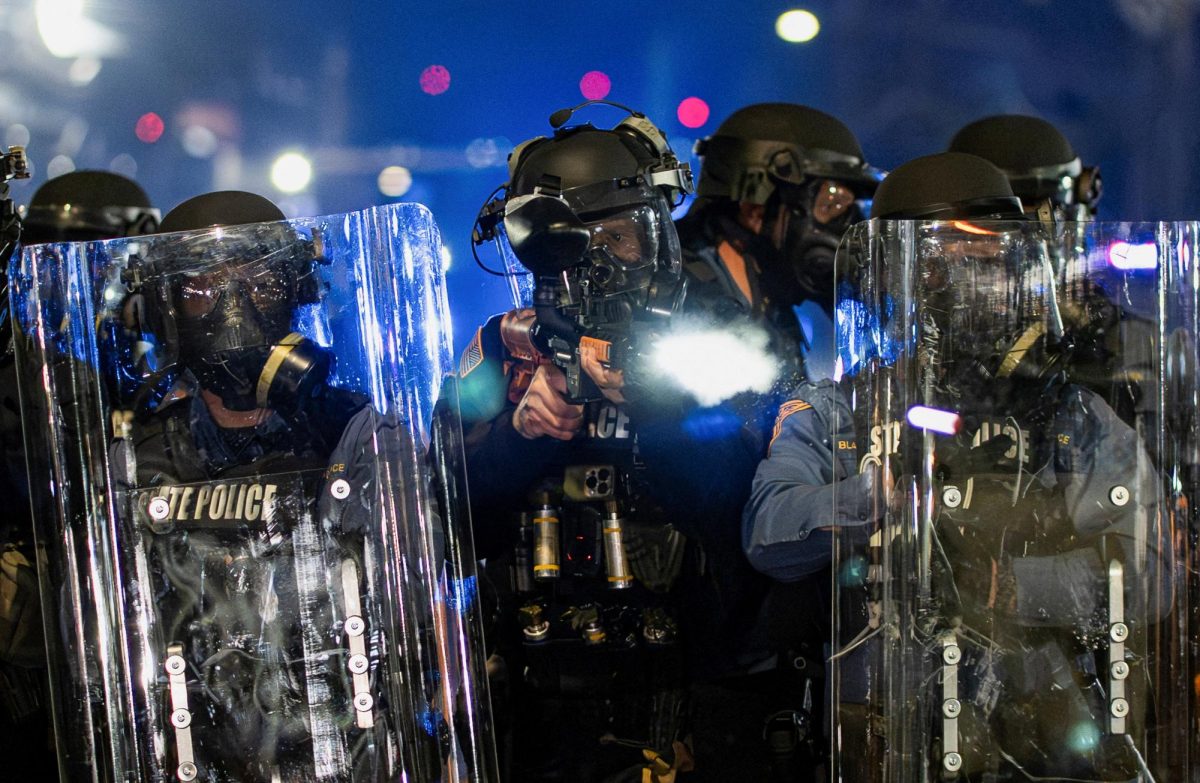
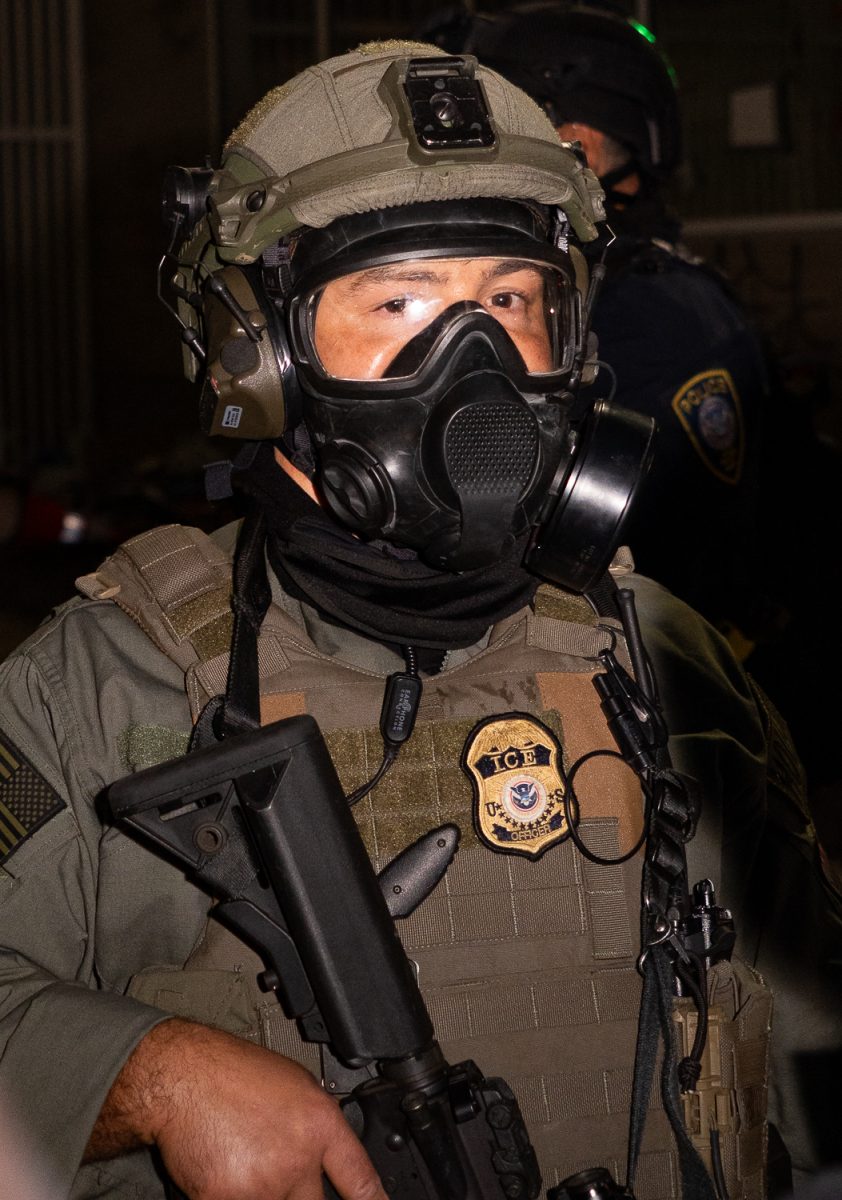
With all of the commotion with the deployment of the National Guard, protests and retaliation indeed escalated, as predicted by the local leaders. Federal agents used pepper balls and tear gas canisters at a crowd of peaceful protesters — this crowd included families with children and retirees.
In a temporary win on Sunday night, U.S. District Judge Karin Immergut barred the President from federalizing or deploying any National Guard personnel into Oregon for 14 days.
“The court recognized what we’ve said all along: there is no rebellion, no invasion and no justification for militarizing our communities,”Attorney General Dan Rayfield said in a statement released by the Department of Justice.
A secondary hearing is set for Oct. 17; however, the facts of the case remain unchanged.
This deployment is nothing more than a political statement for President Trump and the National Guard does not need to act as law enforcement on the streets of Portland. Sending the National Guard to Oregon remains unlawful, unnecessary and will only continue to escalate tensions on the street.