
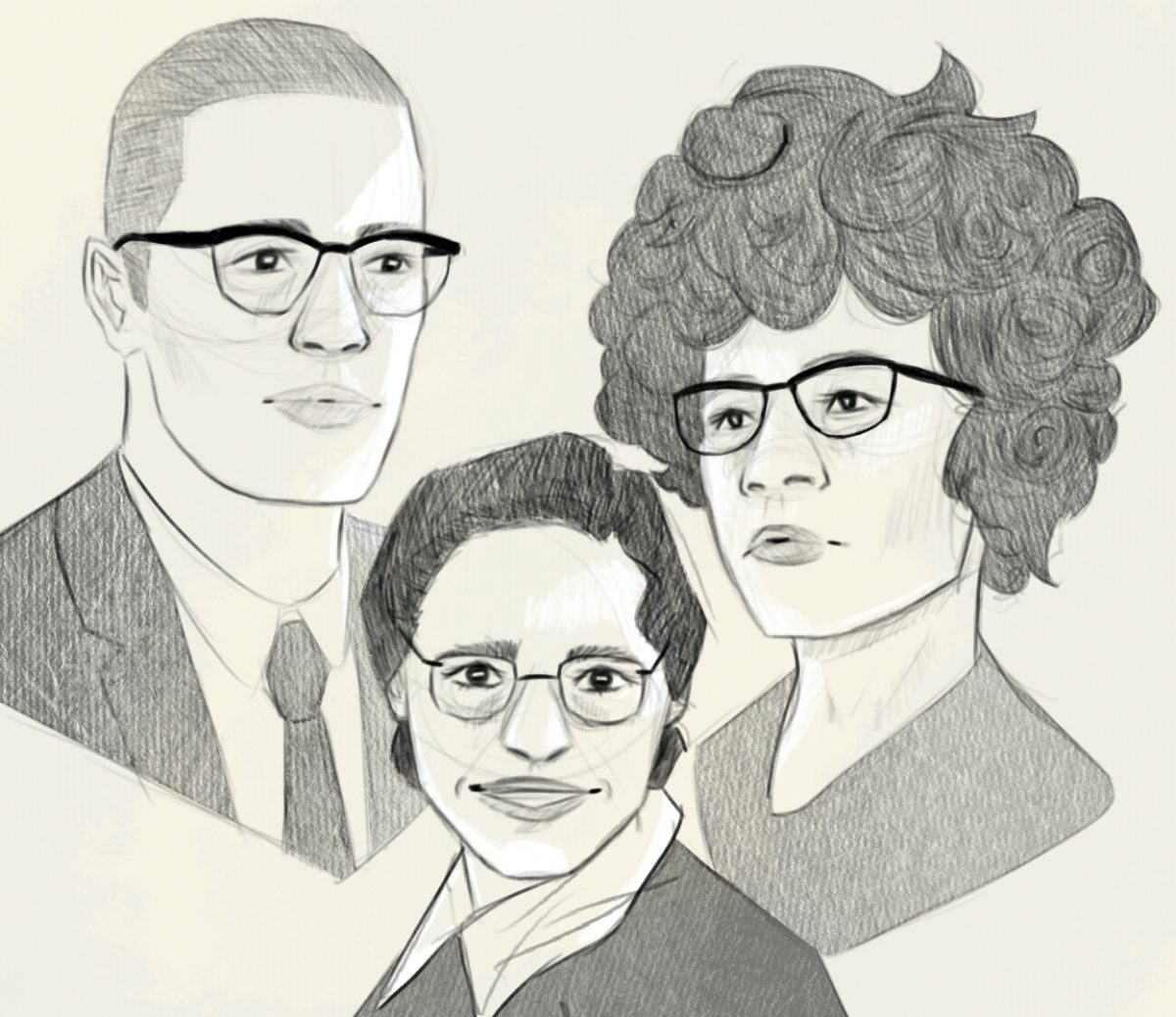
At the University of Oregon, when Black History Month arrived, nobody seemed to care, and there was no acknowledgement from the university.
This lack of acknowledgment makes something that could be beautiful feel awkward and wrong. Students aren’t sure how to have an appropriate conversation revolving around an identity outside of their own. It’s as though they’re not “allowed” to talk about or attend Black History Month-related events, which diminishes the work and effort these communities put toward cultural events.
Dinorah Ortiz, the program director for both the Multicultural Center and the South and Southwest Asian and North African Center, clarified something many students misunderstand: there is no hidden administrative team supporting these cultural spaces. Ortiz oversees all MCC and SSWANA student employees, as Walter Hicks does as the program director for the Black Cultural Center, to help support student unions.
Clubs like the Black Student Union and Black Men of Achievement are doing the work the university doesn’t by hosting events, building community and trying to reach a small, scattered population in Eugene. Students shouldn’t have to educate the campus, but they do because the university doesn’t.
Cole Stevenson, a senior psychology major at UO, said, “The BCC is sectioned off on campus; it’s like we’re ostracized. The university built the BCC and then wiped its hands clean.”
BSU events draw between 16 and 45 people, depending on the week. Cross-cultural attendance does happen, especially during collaborations with the Students of Color Coalition. But without institutional visibility, turnout is inconsistent, and the responsibility falls entirely on students and their respective program directors.
“It feels like being outnumbered in every way — not just identity, but mindset. The average student at UO cares more about the Olympics, and the university follows whatever the average student wants. It’s not like the university is advertising with any of these clubs or coming to the BCC.”
Both centers are meant for all students, even those who feel unsure about entering the space. “We are here to support all students and create spaces of learning and community,” Ortiz said.
February is awkward because students don’t really know if they can come to events led by students of color. Stevenson said, “For some events, no non‑Black people came — which makes sense, but it also shows the divide and hesitation in our institution.”
When we don’t facilitate these conversations, people default to awkwardness, silence or worse: jokes. Black History Month isn’t even symbolic noise at UO; it simply doesn’t exist. Black History Month should be a chance to build community and remind students that Blackness at UO is more than athletics and tokenism.





Jorge • Mar 7, 2026 at 5:15 pm
It’s been done.