
On Halloween, dressed as Mario, with a bright blue drink in hand, I was tired of losing at pool and ended up talking to the bouncer of the bar I was at. He was doodling flowers on a USPS sticker, and we ended up chatting about his passion for art, as well as his living situation, as he was working while also living out of his car. Since then, I’ve continuously thought about the fact that someone can be working full-time while still not being able to afford housing.
The city of Eugene estimates that over 3,000 people are affected by homelessness within the city. It’s a wide-reaching problem that requires further attention as well as compassion. I often hear overwhelmingly negative anti-homeless rhetoric when, in reality, these are our neighbors.
The National Alliance to End Homelessness did a study on the public perception of the root causes of homelessness. They found their polling to indicate many Americans believe that homelessness is primarily caused by personal issues and individual decisions. This viewpoint often overlooks the immense barriers people face in attaining stable housing, even when many are part of the local workforce.
ShelterCare is a nonprofit that has provided housing and behavioral health services to unhoused people in Eugene since opening in 1970. Crys Webb is a peer support supervisor and program coordinator at the organization.
Webb explained that it’s common for unhoused people to be earning an income in some way, but it’s often unstable and simply doesn’t keep up with housing costs. “The idea that most aren’t working is more myth than reality,” she said.
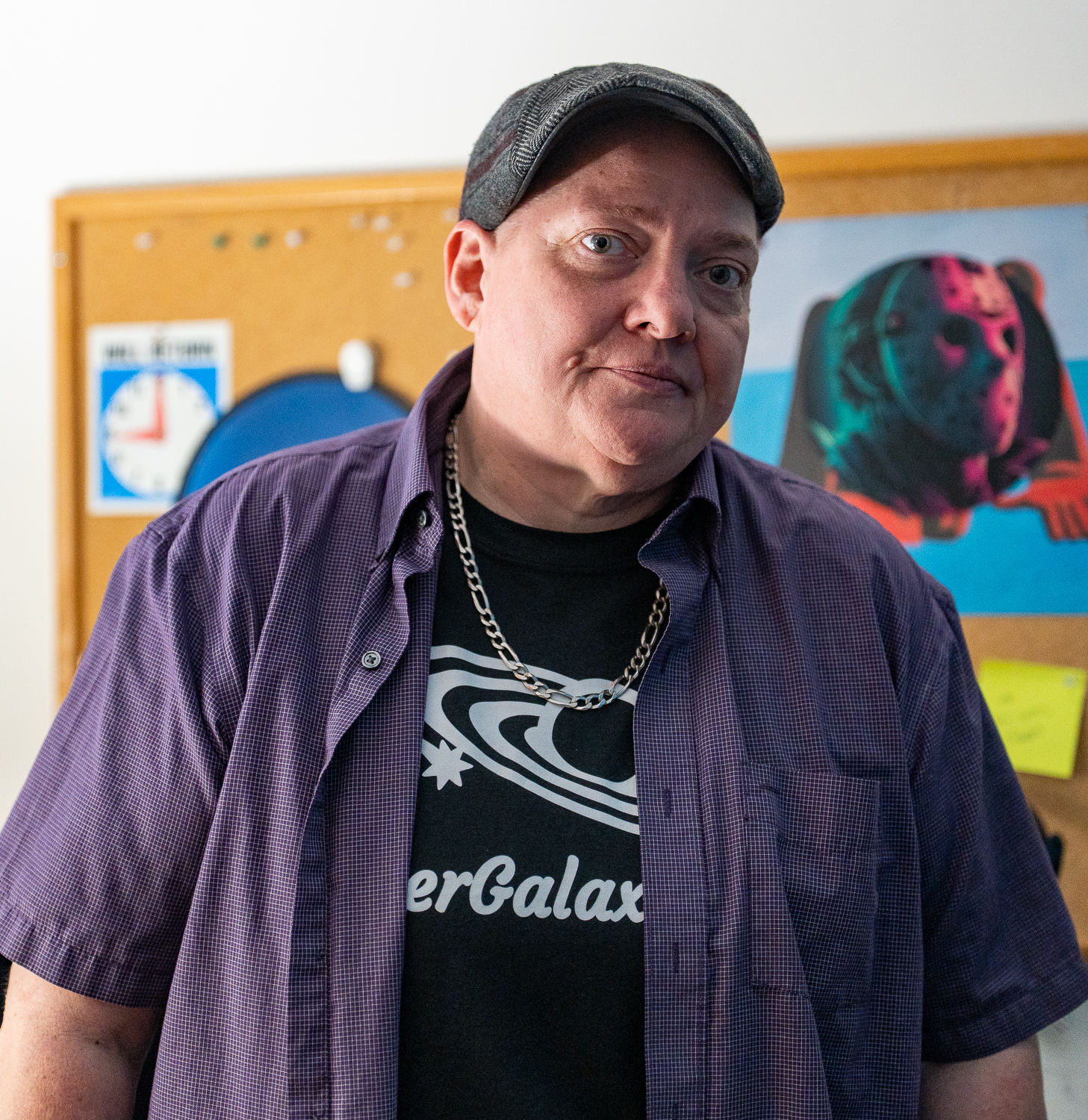
Some of the barriers homeless people face when finding a stable job are not getting enough sleep while on the streets or in a car, a lack of transportation, access to a shower or clean clothes and the stigma that comes with being homeless.
“The narrative that unhoused people ‘don’t contribute’ does real harm, both in how policies are shaped and in how people are treated day to day. When the public believes someone isn’t working or giving back, it becomes easier to support policies that focus on punishment or removal instead of housing, services and stability,” Webb said.
This view continues to shape how our community responds to homelessness, often preventing meaningful aid and long-term solutions.
Sarah Koski is a University of Oregon alum who graduated with a degree in political science and is now a local homelessness advocate. She has worked in nearly every aspect of advocacy, as she ran a safe sleep site, oversaw local disaster response in preventing unnecessary homeless deaths, provided medical care with Whitebird clinic in homeless camps and created detox bags for those trying to get sober.
Koski explained that when solutions are proposed, the underlying problem is that people simply do not want to see homelessness. Some want to help, but only if it remains out of “their own backyard.”
She said that in order to get employed, you need stability, rest and to get healthy. “But what if you don’t have a phone, a resume, an email, access to charging or even a watch?” It’s the small things that people don’t realize are essential.
Despite this, 1/3 of the people at Koski’s safe sleep site were employed. She said that people are doing “whatever they can,” and just need “a little TLC.” Koski underscored the need for a strong system of support for these individuals, as well as second-chance employers.
“We have no idea what it takes to make it out there, but grace is so important,” Koski said.