The South Asian, Southwest Asian and North African Center opened in November 2025, creating another space for a cultural organization on the University of Oregon campus.
According to university demographics, approximately 37.8% of the student population identifies as Native American, Asian, Black, Latinx or Pacific Islander. Of that percent, there are approximately 3,992 Latinx students at UO.
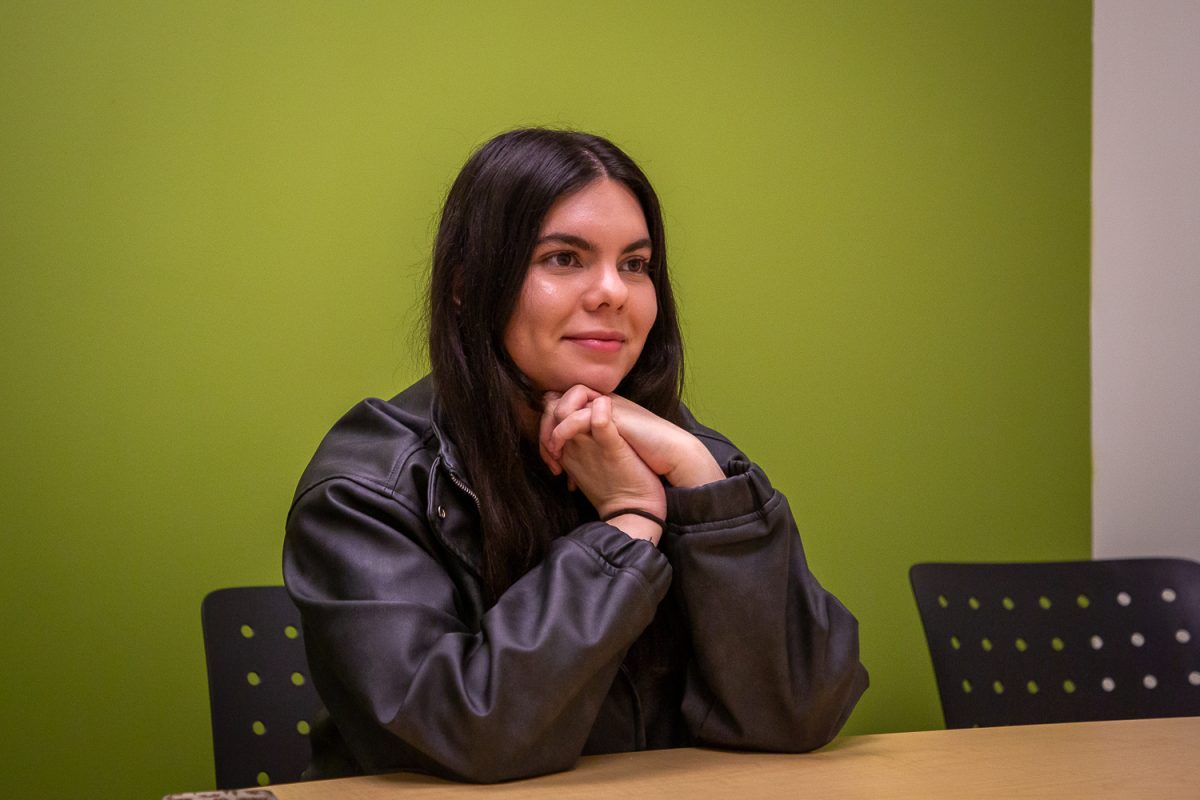
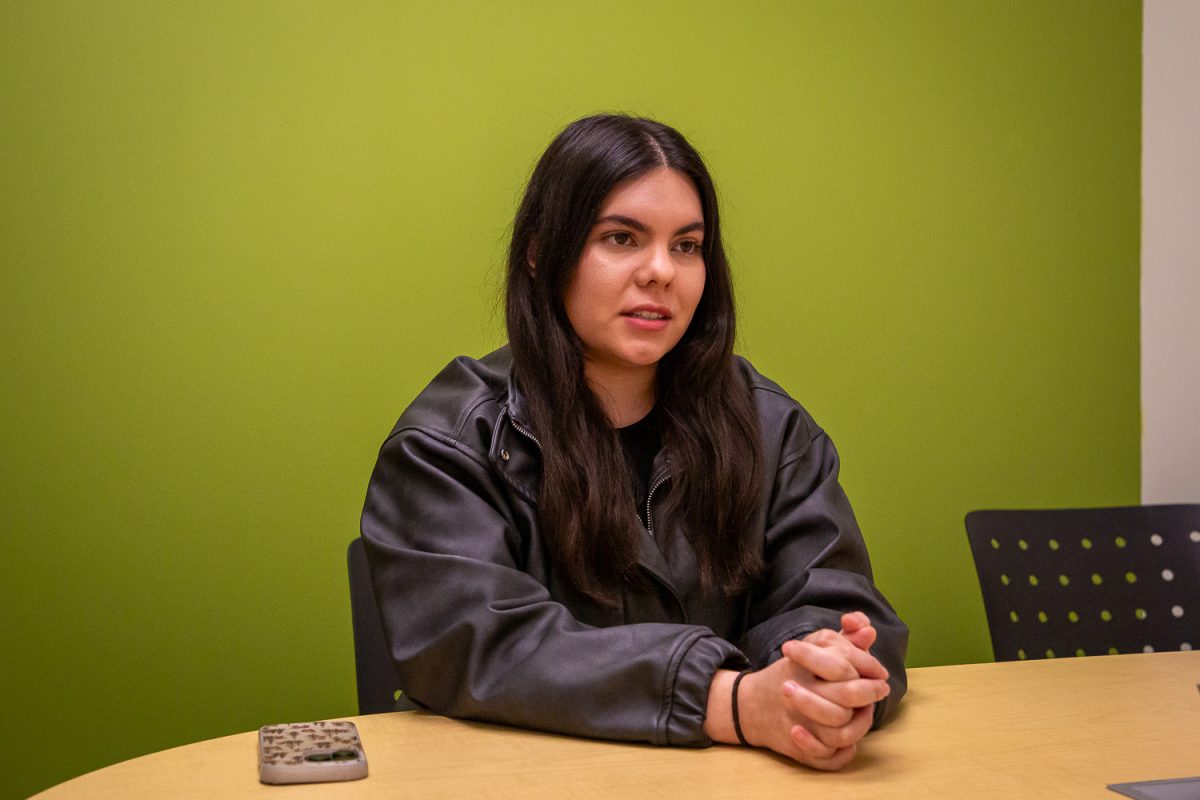
“With today’s political climate and everything going on, just knowing that there’s gonna be a center on campus makes people think the school actually cares about us,” Diana Rendon Chavez, the program director of MEcHA, said.
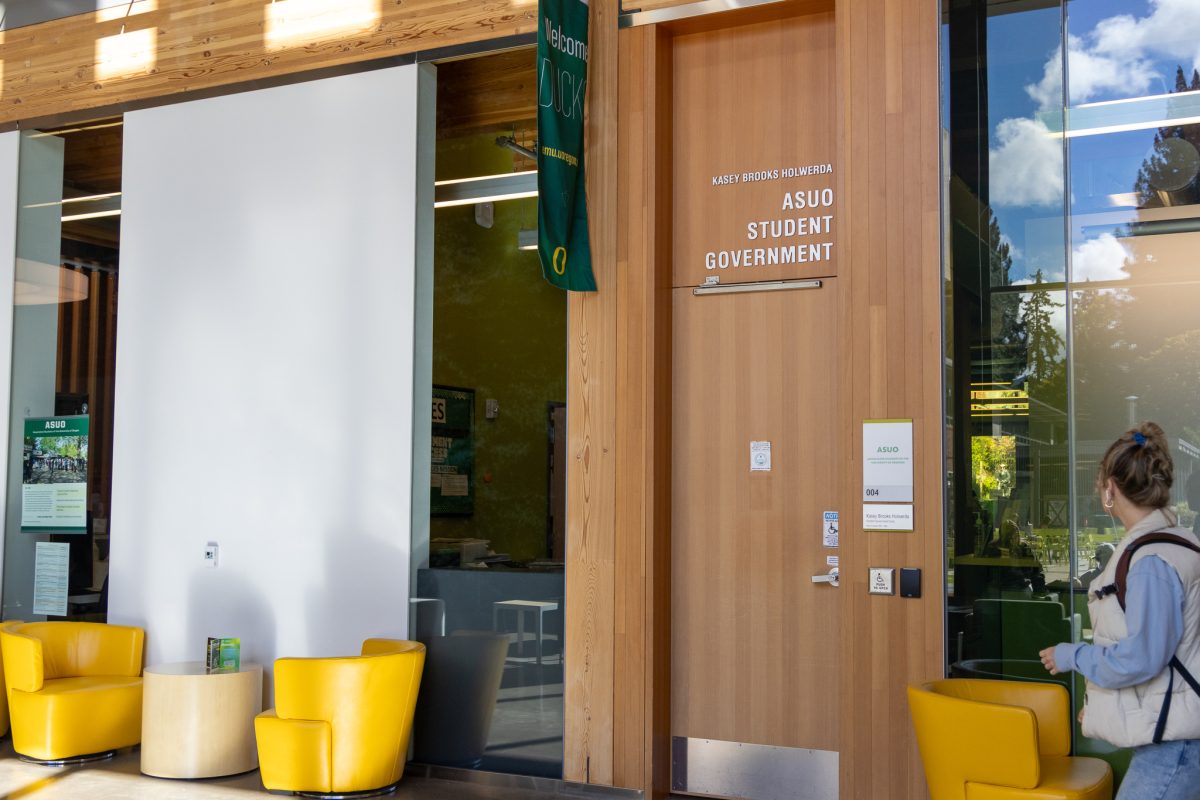
ASUO, as well as three Latinx cultural groups, have come together to create a coalition to put pressure on UO to establish a cultural center.
The coalition hopes to have its own building, similar to the Many Nations Longhouse and Black Cultural Center on campus.
The coalition includes UO MEcHA, Muxeres, the Latino Male Alliance and ASUO. Members are in the process of drafting a letter to send to Oregon state representatives as well as a resolution of the wants of the coalition that will be given to UO administration.
In addition to the letter, the coalition has been drafting a resolution defining the vision beyond just the center. The resolution process allowed groups in the coalition to collaborate on what they want to see for the cultural center, on top of the main request of the creation of a standalone center.
One of the main wants from MEcHa was the ability to host more events within the center. The club hosts multiple events a year, such as Dia De Los Muertos events and general club meetings. The building and approval of more events would help bring students together according to the club.
The letter, which ASUO President Prissila Moreno said will likely be delivered to Oregon state representatives in the next few weeks, will outline a shared goal among the Latinx coalition and the Oregon representatives. Coalition members stated that the purpose of the letter is to show the university that the center is something that the state of Oregon wants, as well as the coalition.
Gio Bazan, president of the Latinx Male Alliance and a UO student from northeastern Oregon, said he spoke with his state representative, Rep. Greg Smith, “R-Heppner.”
While Bazan said he and Smith don’t agree on many issues, they both agreed that a Latiné cultural center is important. According to Bazan, during their meeting, Smith said, “If you have the letter right now, give it to me. I’ll sign it.”
Bazan believes this meeting displays the bipartisan nature of the creation of the center among Oregon lawmakers.
The coalition hopes to show the university that the state agrees with the implementation of a Latiné cultural center and UO gaining status as a Hispanic-Serving Institution.
Rendon Chavez said she feels that the creation of a Latiné cultural center and building would be a good first step for UO to take in the process of becoming an HSI and supporting Latinx students, but needs to do more and “show diversity.”
To the Latinx coalition, the cultural center is not only about creating a space where Latinx students can have a sense of community, but also a way for UO to be more comparable with the 9 out of 18 Big Ten schools who have a center.
According to Moreno, cultural centers allow people of color and cultural minorities to find a place of belonging and an area to interact with their culture in the predominantly white institution UO.
“It is way different to have a physical place. A place where I can go and see art from my culture or smell food from my culture. It’s the little things,” Moreno said.
The two students both said they believe a center will help with the feeling of a lack of community.
“I was lost. I didn’t have a community. It made me want to transfer,” Rendon Chavez said about her first year at UO. “What I want is for first-years that were feeling like me to not feel like me and for us to actually have a community.”