After months of bidding, the city of Eugene has selected Ideal Option as the provider for the new Peer Navigation Alternative Response pilot.
“Ideal Option was selected because their proposal directly and comprehensively aligned with the city’s request for peer navigation services,” the city’s news release said. “Ideal Option has demonstrated experience delivering peer navigation in Eugene and other communities throughout the region.”
Ideal Option is a nationally recognized organization that works with medicine-based treatment in multiple clinics across Oregon, providing individuals struggling with addiction medical support.
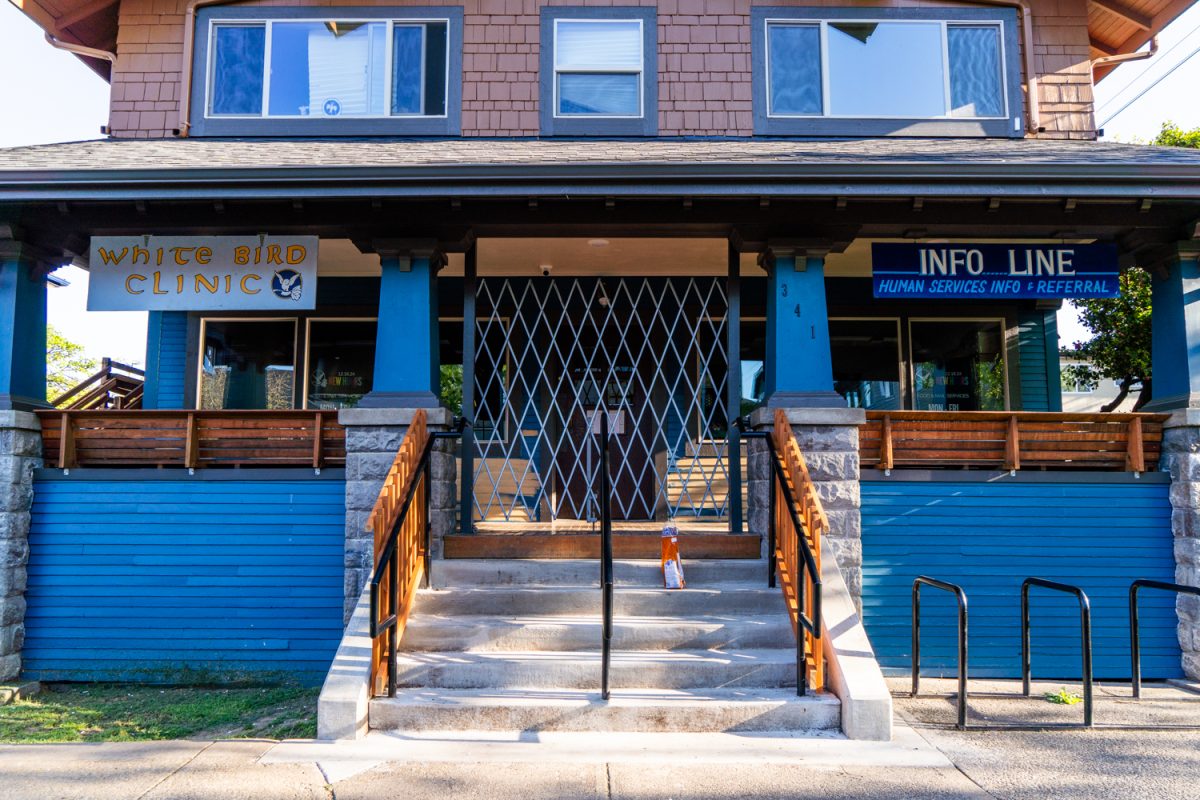
The proposed pilot program for the Peer Navigation Alternative Response aims to fill the gaps left behind after the closure of the Crisis Assistance Helping Out On The Streets program in April 2025. White Bird Clinic announced it would be ending services from CAHOOTS in Eugene after drastic budget cuts. The program went from working 24 hours, seven days a week, to no availability in the matter of days.
The city of Eugene released a report in October, analyzing the impacts of the closure. Eugene Springfield Fire Chief Mike Caven said in a previous interview with The Daily Emerald that the gaps of service were not as dire as the city anticipated, due to the collaboration between the Eugene Police Department, the Eugene Springfield Fire Department and mobile crisis units to fill in the gaps.
However, not all gaps were able to be patched up. The report found that mid-acuity behavioral health incidents, youth crisis response, harm reduction and other non-emergency calls were still largely unfulfilled. After this founding, the city began working on an alternative response pilot program with peer navigators.
“This pilot program will run for one year to fill specific gaps in Eugene’s alternative response, such as welfare checks, non-emergency transport, proactive outreach and connecting people to services before situations escalate,” the news release said.
Downtown Eugene currently has two working peer navigators that work with the downtown co-responder team to provide outreach for unhoused individuals. The new alternative proposal would operate outside of downtown around Highway 99, River Road, the Whiteaker Neighborhood and West Eugene.
Eugene residents have expressed concerns about the program during public comment at a public meeting on Feb. 9, specifically about the program’s ability to reach individuals citywide and provide care comparable to CAHOOTS. Some urged city councilors to direct the city manager to amend the RFP.
“If the city needs peer navigators, that needs to be a separate process decoupled from the efforts to return alternative response to Eugene,” Robert Parish, one commentator, said.
The pilot program will run for one year, during which the city will collect data to figure out the impacts of the peer navigators, and what’s still missing.